Noawood – Expanding Tropical Hardwood Applications
Noawood is developed to introduce thermally modified Malaysian hardwood species to the global market, offering an alternative to traditional temperate thermal wood species.
By enhancing the natural durability of locally sourced timber, Noawood provides:
Made from 100% natural solid wood, offering the authentic look, feel, and warmth.
Thermal modification reduces hygroscopic movement, improving dimensional stability compared with untreated wood.
Noawood is easy to maintain—simple periodic re-oiling, re-waxing, or re-staining is sufficient to preserve its appearance and performance.
Thermal modification reduces hemicellulose content in the wood, limiting nutrients for decay fungi and improving biological durability.
Lighter in weight compared to many other hardwoods, making it easier to handle, transport, and install.
Noawood can be further treated with preservative systems to improve resistance to biological agents such as decay fungi and termites, allowing additional protection for exterior applications.
Suitable for a wide range of finishes including oils, waxes, and water-based or solvent-based coating systems.
Thermally modified wood is solid timber enhanced through a controlled heat treatment process using only heat and steam, without chemicals. The process is carried out in a fully automated thermal kiln system imported and installed by Finnish specialists, ensuring precise and consistent performance.
Equipped with core wood sensors, the system enables real-time monitoring and automatic control throughout the treatment cycle, typically ranging from 24 to 60 hours depending on species and initial moisture content.
The high-temperature, oxygen-reduced process degrades hemicellulose and permanently alters the wood’s hygroscopic structure. As a result, equilibrium moisture content is reduced to approximately 4–5%, with significantly lower moisture uptake under ambient conditions.
These modifications improve biological durability, dimensional stability, and resistance to moisture.
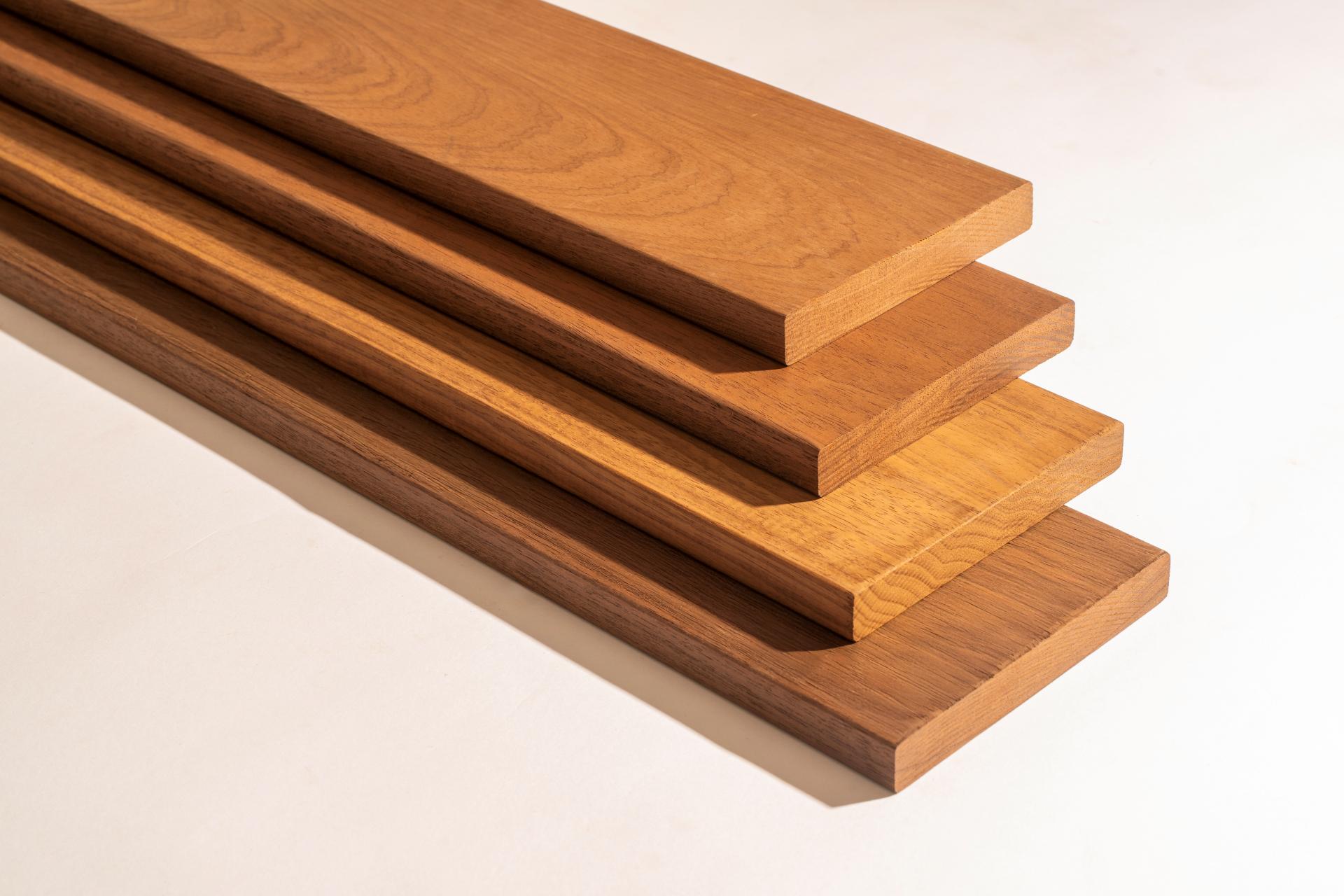
Explore a selection of timber options for Noawood.
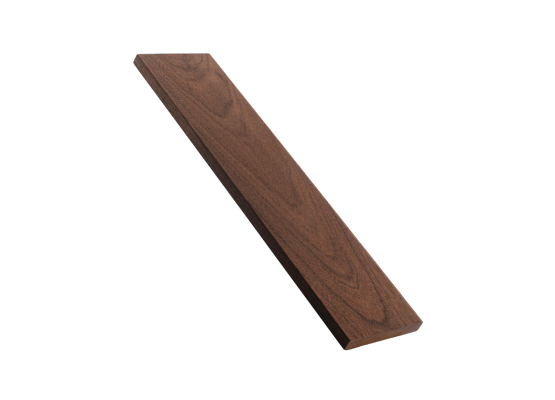
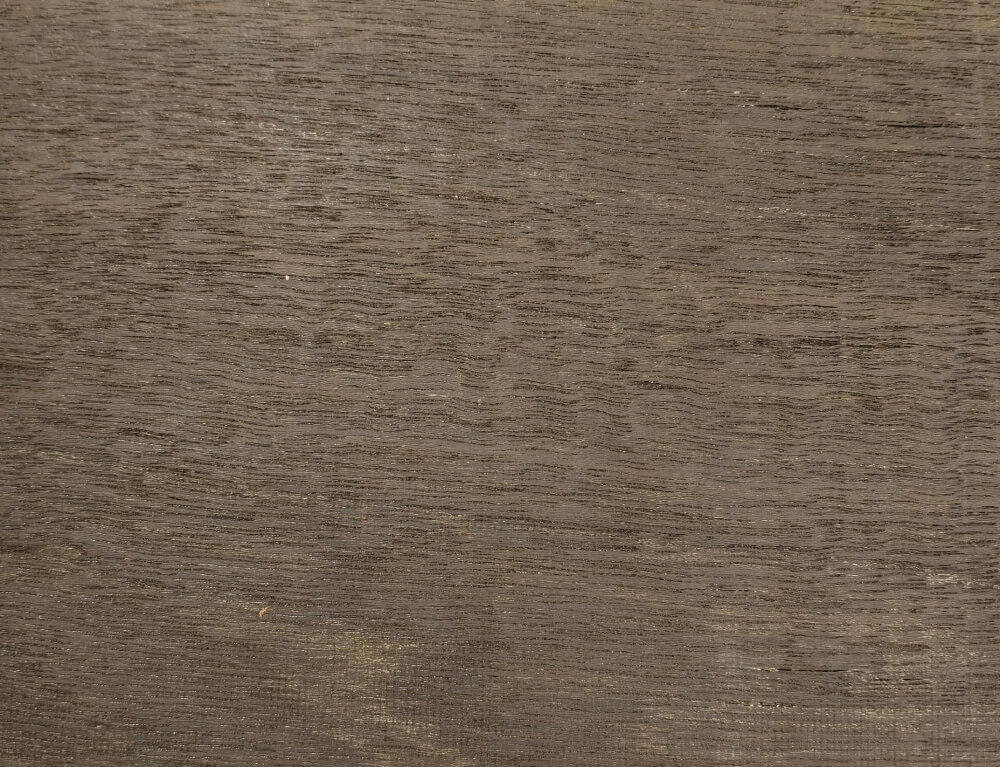
Noawood-S exudes a rich, espresso like tone with a uniform appearance and a subtle natural luster. Renowned for its stability and strength, this wood is exceptionally well-suited for outdoor applications. Combining durability with an elegant finish, it provides a refined and enduring option for enhancing any exterior space.
Density after thermal modification: 500–650 kg/m³
Modulus of Elasticity (MoE Mpa) (Mean Value): 11,543
Modulus of Rupture (MoR Mpa) (Mean Value): 84
Dark Red Meranti (Shorea spp.) has moderate natural durability, typically classified as Durability Class 3–4 (EN 350) depending on species and exposure conditions. It is suitable for interior applications or sheltered exterior use when properly protected with coatings or preservatives.
With an average air-dry density of 500–650 kg/m³, Dark Red Meranti offers a good strength-to-weight ratio and stable performance when properly kiln dried. It machines easily and produces smooth surfaces suitable for coatings, stains, and adhesives, while controlled drying helps minimise distortion during fabrication and service.
Dark Red Meranti is considered a cost-efficient tropical hardwood, offering reliable performance and workability at a competitive price point. Its availability in consistent grades and sizes makes it a practical material for large-scale joinery and construction projects.
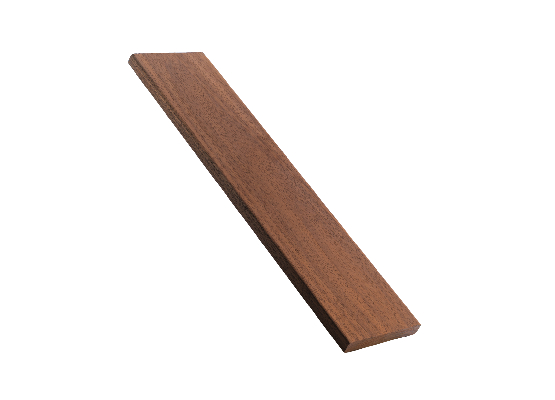
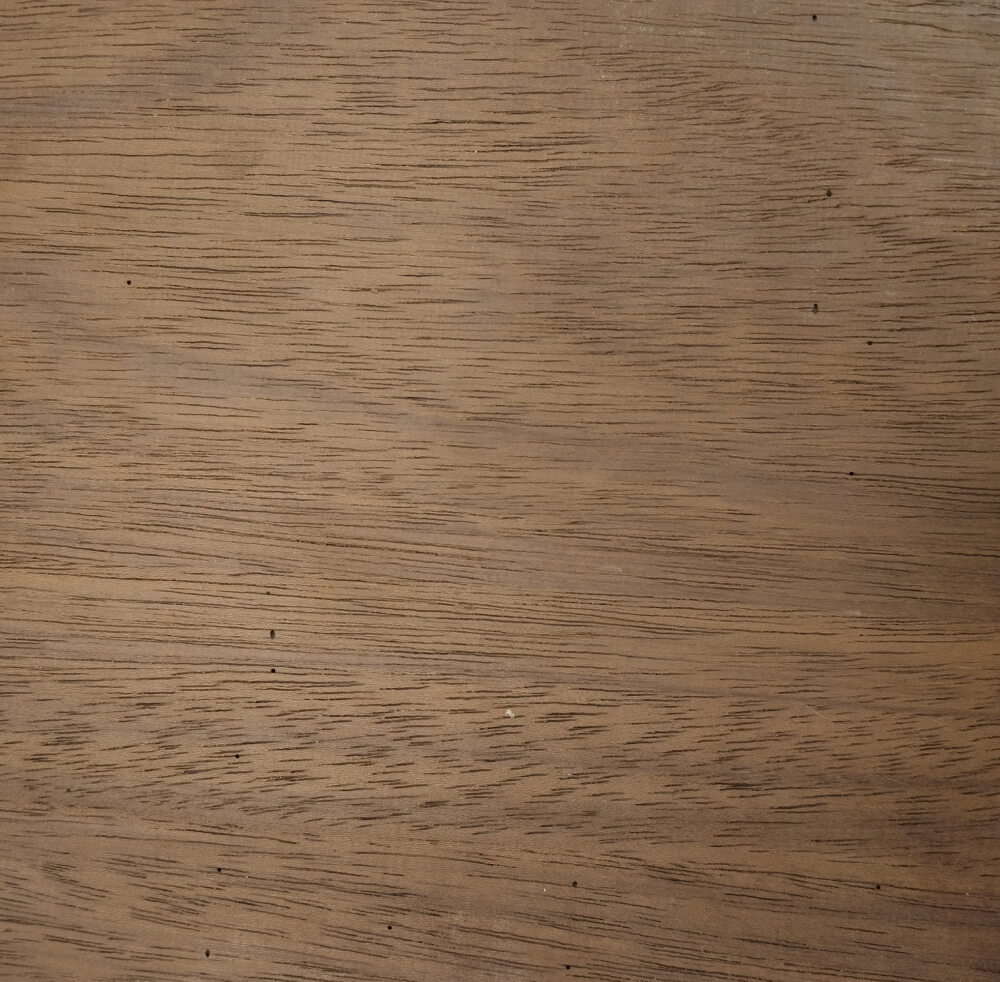
Noawood-G showcases a fine, uniform texture with a smooth grain that adds elegance to any application. The heat treatment process deepens its natural tones, bringing out a rich, reddish brown hue that exudes warmth and sophistication. The wood surface displays subtle grain patterns with minimal blemishes.
Density after thermal modification: 600 – 750 kg/m³
Modulus of Elasticity (MoE Mpa) (Mean Value): 15,351
Modulus of Rupture (MoR Mpa) (Mean Value): 96
Sapele is classified as Durability Class 2–3 (EN 350), offering moderate to good natural resistance to decay. It is suitable for interior applications and protected exterior use when properly coated or maintained.
With an average air-dry density of approximately 620–670 kg/m³, Sapele provides good mechanical strength and stability. The timber machines well and produces smooth surfaces for finishing, though its interlocked grain may require sharp tooling during machining. Proper kiln drying improves dimensional stability and reduces movement during service.
Sapele is positioned as a premium joinery hardwood, valued for its consistent quality, attractive figure, and reliable machining performance.
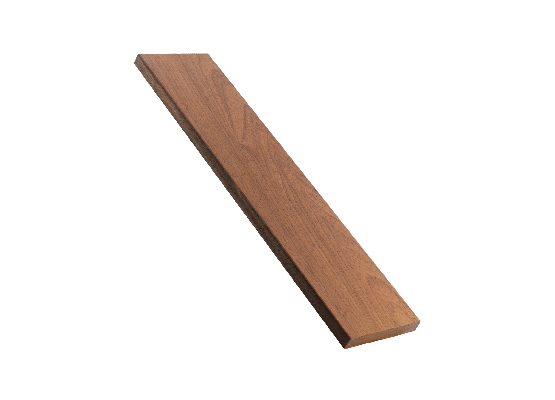
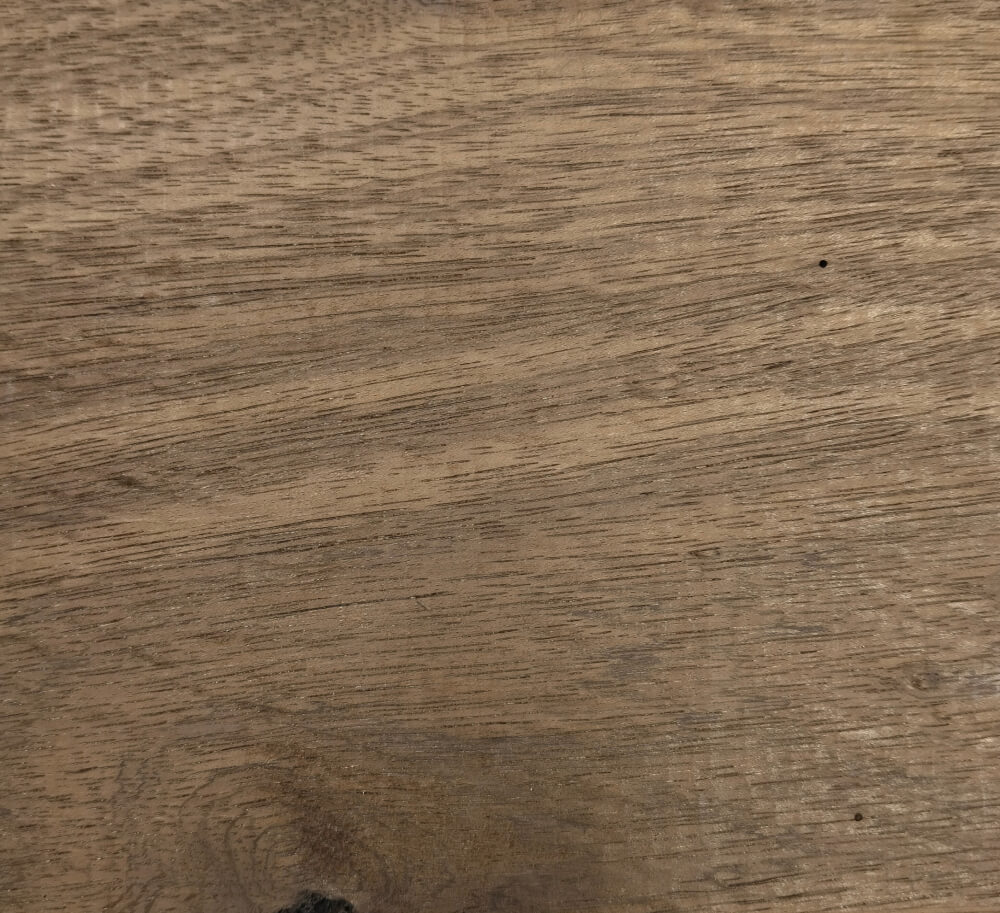
Noawood-M showcases a warm yellowish-brown tone with rich grain character, offering the natural luxury of tropical hardwood. Thermally modified for durability and stability, it’s ideal for indoor and outdoor use—bringing lasting beauty and performance to any space.
Density after thermal modification: 500–700 kg/m³
Modulus of Elasticity (MoE Mpa) (Mean Value): 15,656
Modulus of Rupture (MoR Mpa) (Mean Value): 85
Red Grandis generally exhibits moderate durability (Durability Class 3–4, EN 350). It is suitable for interior applications or protected exterior use when properly treated or coated.
With an average air-dry density of approximately 550–650 kg/m³, Red Grandis provides good strength and stability for engineered wood components. The timber machines easily and responds well to gluing and finishing processes, making it well suited for laminated products and precision joinery. Controlled kiln drying ensures uniform moisture content and stable performance during fabrication.
Red Grandis offers a cost-efficient and sustainable alternative hardwood, combining reliable performance with consistent plantation supply.
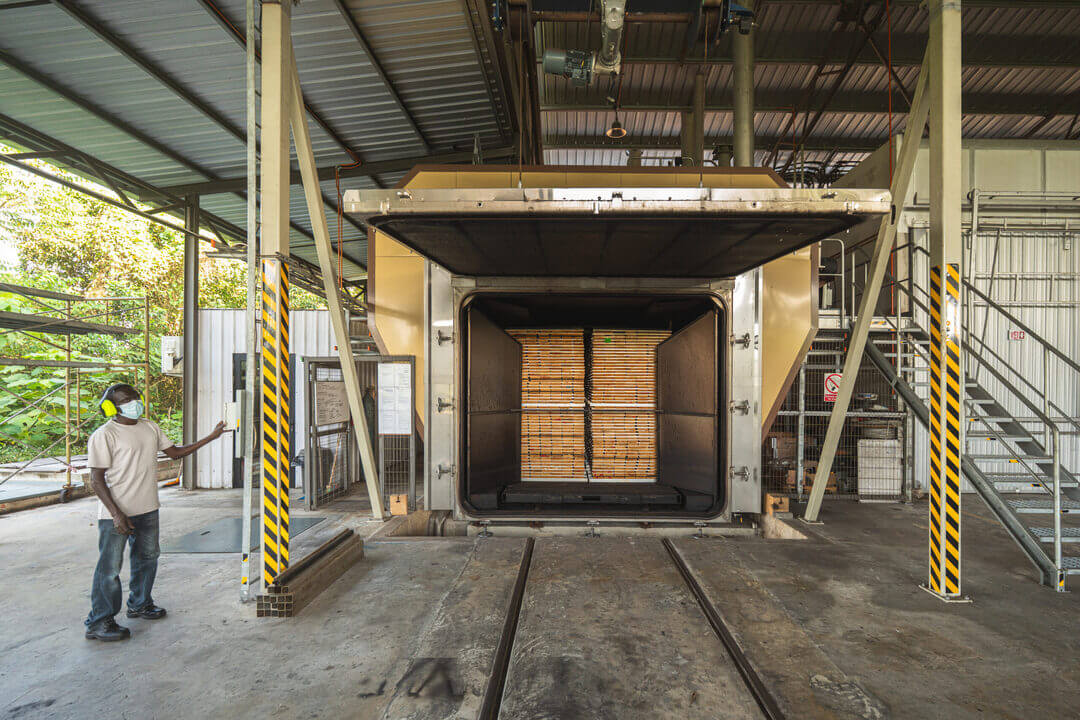

Timber is gently dried at up to 130°C to remove moisture and prepare for safe high-heat treatment.

Wood is heated to 185–230°C in low-oxygen steam conditions, triggering permanent structural and chemical changes.
Cell structure is altered to reduce water absorption, improve decay resistance, and eliminate the need for chemicals.

The timber is gradually cooled, and moisture is reintroduced with steam to stabilise it.
Thermally Modified Solid Hardwood (e.g. Merpauh, Mengkulang, Seraya)
EN 113 Class 1 and 2 (EN 350). It is resistant to decay, and fungi. Suitable for exterior use without chemical treatment.
Thermo wood achieves Euroclass D (EN 13501-1); can be treated for higher performance if required.
The treatment reduces the wood’s equilibrium moisture content to around 4–6% after modification at 230°C.
Toxic-free, no chemicals added during thermal modification.
Noawood is compatible with commonly available coating systems, including water-based paints, oils, and waxes, allowing flexible finishing options across applications.
Decking, cladding, façades, soffits, screens, outdoor furniture, and architectural joinery.
Noawood can be treated with Low Organic Solvent Preservatives (LOSP) to provide protection against termite attack.
Radial
Thermal treatment reduces swelling and shrinkage by up to 50% compared to untreated wood.
10th Floor, Wisma Maran,
28 Medan Pasar,
50050 Kuala Lumpur, Malaysia