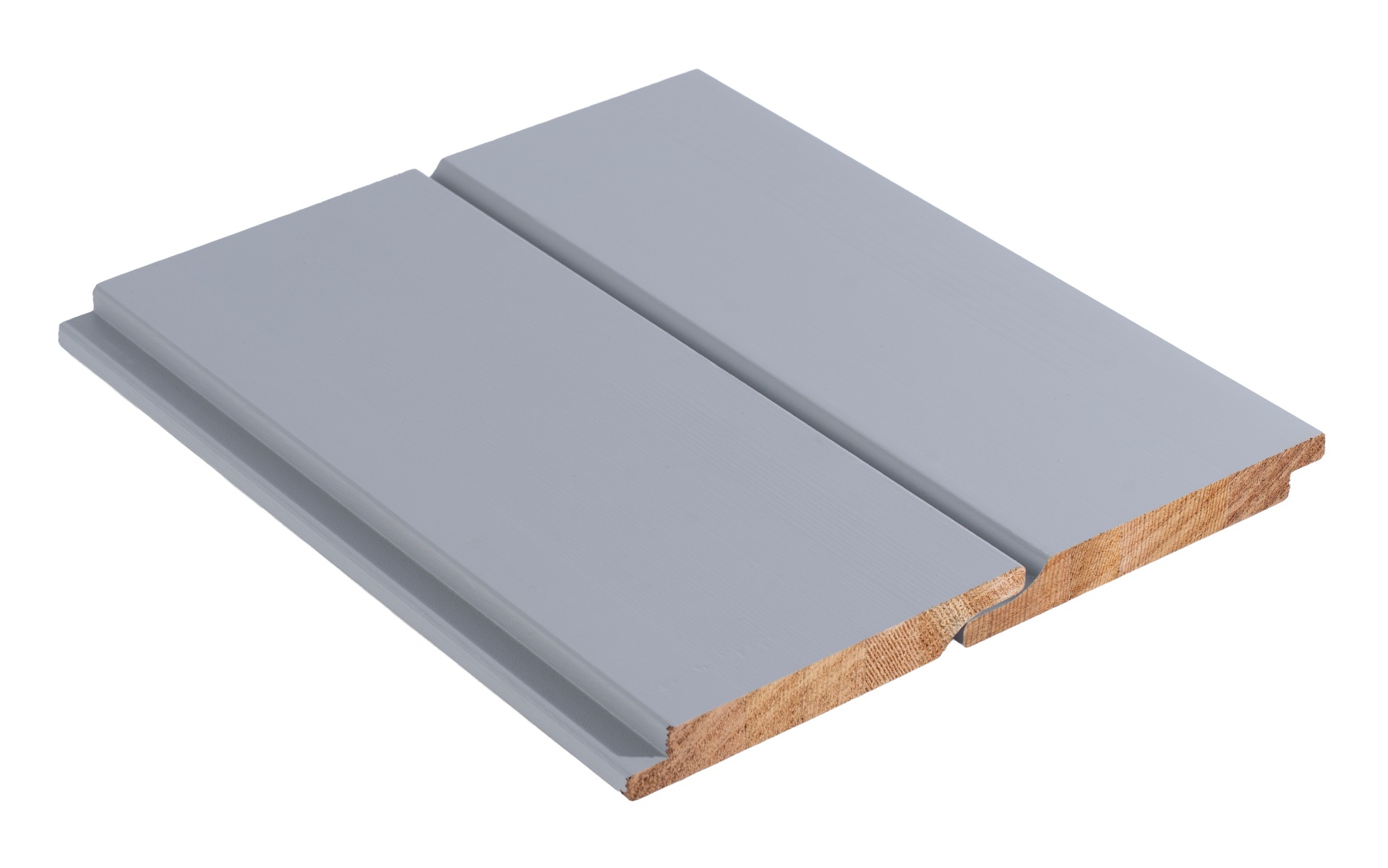
Manufactured from Western Red Cedar (Thuja plicata), and thermally modified Meranti (Shorea spp.), our fascia boards are engineered using laminated and finger-jointed construction for enhanced dimensional stability. Finished with a durable exterior coating system, they provide reliable protection against weathering and moisture exposure in exterior applications.
Available in a range of timber choices to suit different project requirements and budgets, including premium Western Red Cedar (Thuja plicata), thermally modified Meranti (Shorea spp.) for balanced performance, and Surian (Toona sinensis) as a cost-efficient alternative.
Western Red Cedar (Thuja plicata) is supplied from PEFC™-certified forests in Canada, while Thermally Modified Meranti (Shorea spp.) originates from FSC® certification-certified forests in Malaysia, supporting sustainable forestry and traceable supply chains.
Selected timber grades are used to ensure consistent material quality and dimensional reliability in fascia board production.
Laminated and resawn to minimise warping, cupping, and splitting, making it ideal for exposed environments.
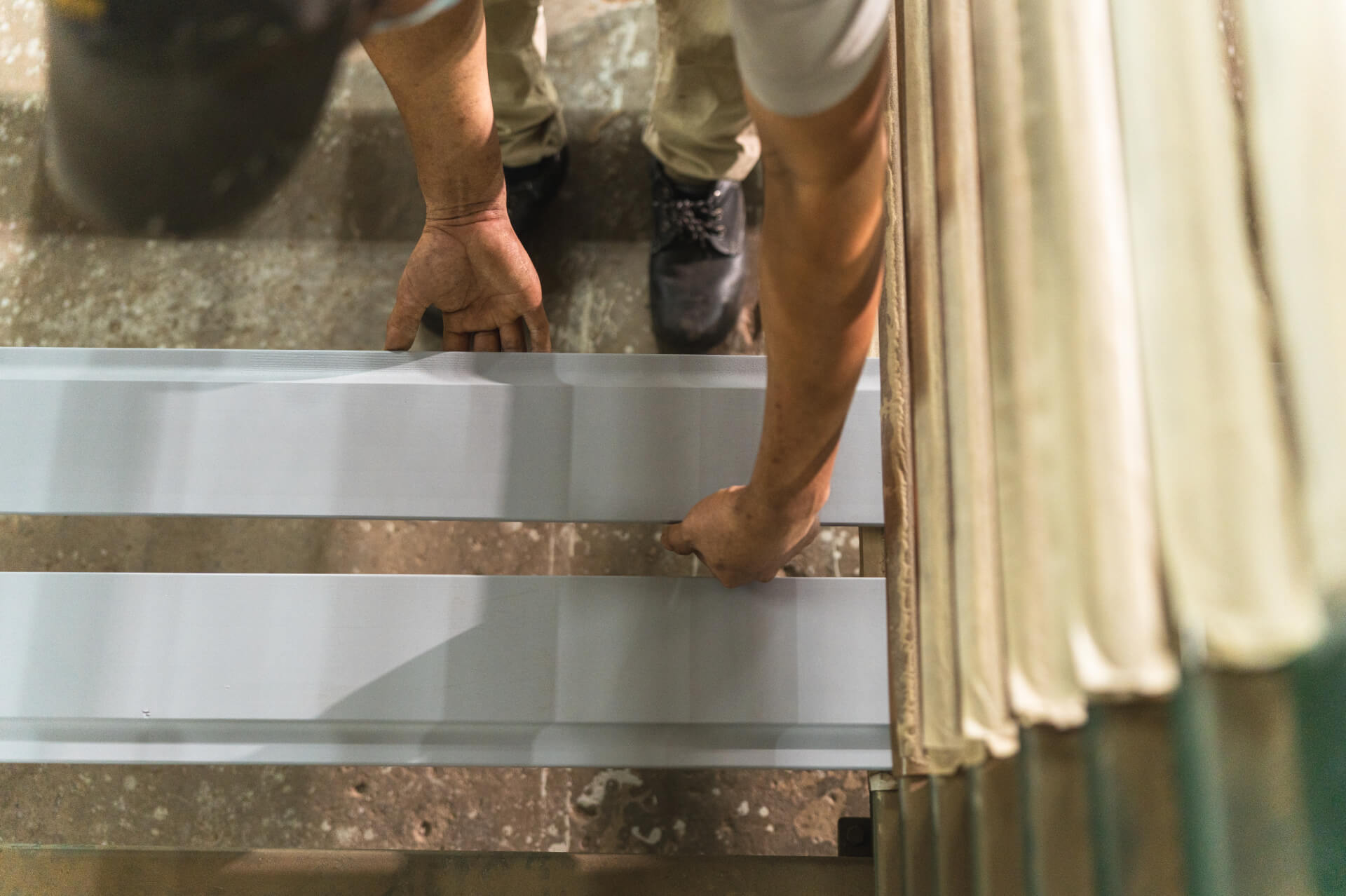
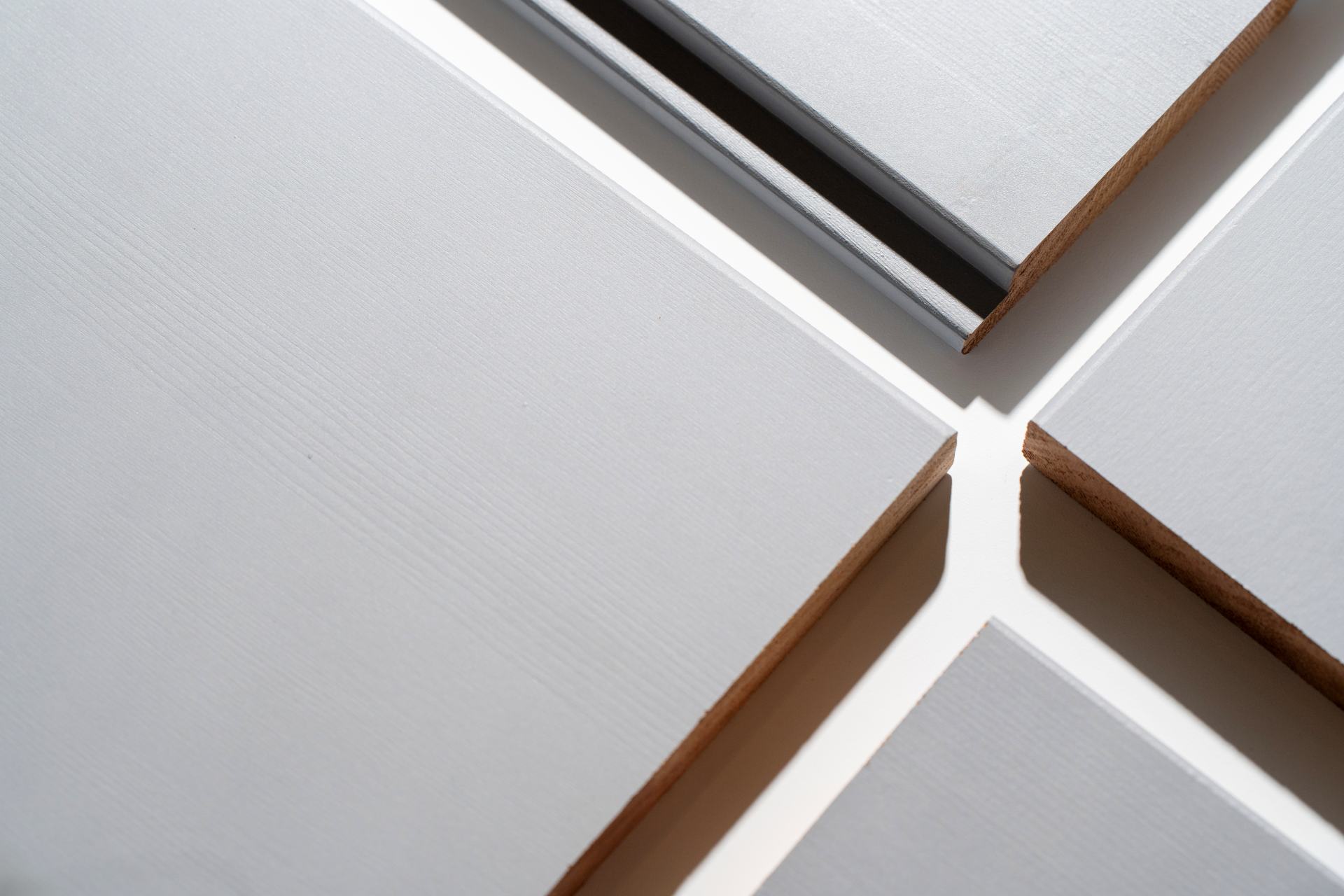
Factory-primed with Anker Stuy water-based coatings for outstanding UV resistance, low water uptake, and long-term adhesion.
Cured in low-humidity, ventilated chambers to ensure optimal primer performance and durability.
Non-toxic, water-based coatings offer a safer, greener, and longer-lasting exterior solution.
A range of primer colours is available to suit different architectural requirements and finishing systems.
Our fascia boards are crafted from premium Canadian Western Red Cedar and that combine strength, stability, and a beautifully refined vertical grain.
Each board is factory-primed with Anker Stuy water-based coatings, they deliver superior UV protection, low water absorption, and excellent paint adhesion, reducing site prep while extending the lifespan of topcoats.
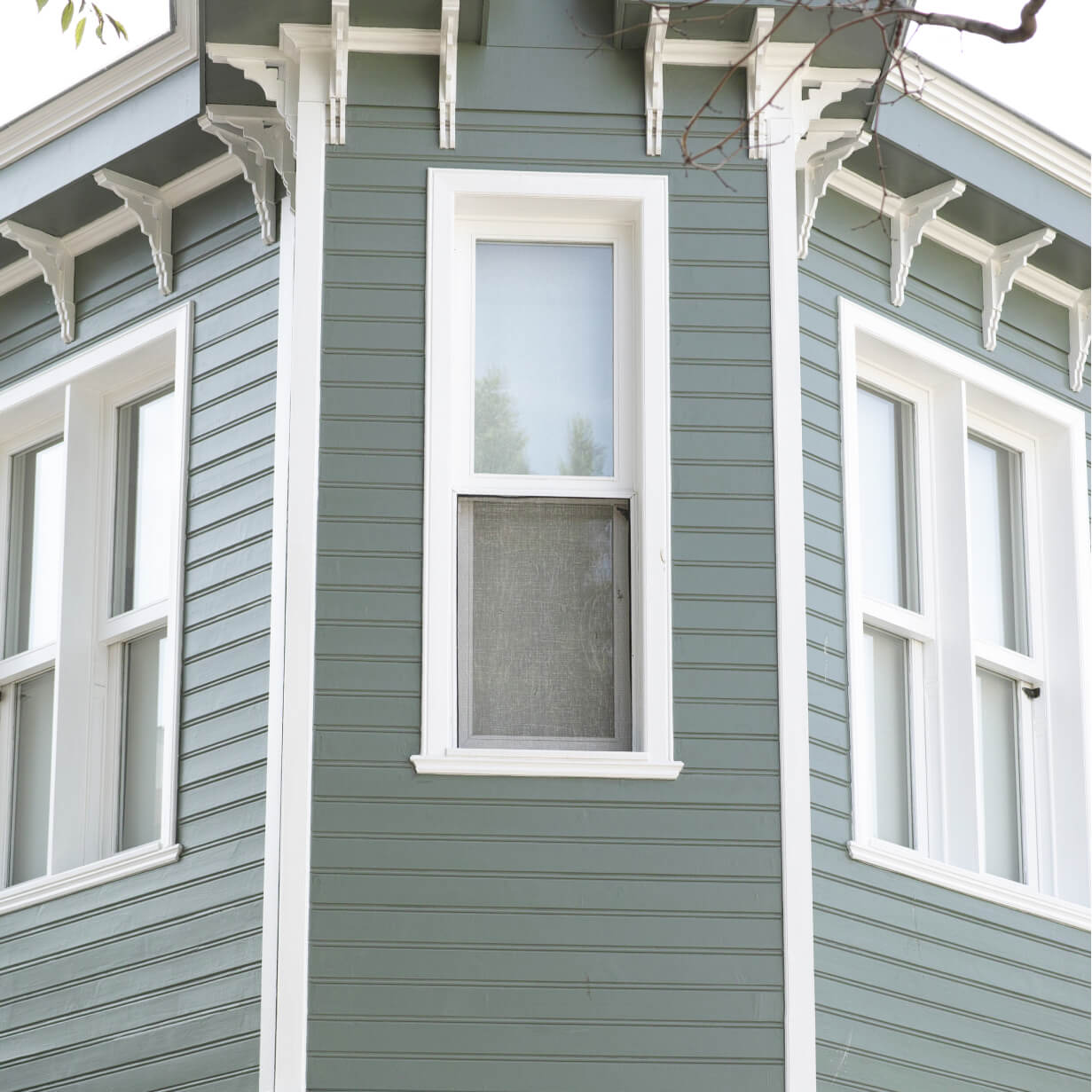
Designed to conceal roof rafters, support roof tiles, and direct rainwater away from the structure, they offer both functional performance with visual appeal. Perfect for new builds and renovations, Maran’s primed fascia boards make it easy to achieve a durable, low-maintenance, and visually striking exterior.
Western Red Cedar is a premium softwood widely valued for its natural durability, dimensional stability, and fine, straight grain. Sourced from sustainably managed forests in North America and available with PEFC™-certified supply, it is commonly used in exterior architectural applications where appearance, stability, and long-term performance are essential.
For fascia boards and exterior trim components, Western Red Cedar offers a clean appearance and reliable stability, making it well suited for engineered and coated wood products.
Typical air-dry density: 330–390 kg/m³
Movement classification: Low
Workability: Excellent machining, gluing, and finishing properties
Western Red Cedar has natural durability against decay and moisture, typically classified as Durability Class 2–3 (EN 350) depending on the heartwood content. This natural resistance makes it particularly suitable for exterior applications such as fascia boards, cladding, and trim.
With its relatively low density and uniform grain structure, Western Red Cedar offers excellent dimensional stability and low movement in service. The wood machines easily and performs well in coating systems, allowing smooth surfaces and consistent finishing results.
When used in engineered fascia boards, the material provides stable performance, reduced risk of distortion, and good coating adhesion, supporting long-term durability in exterior environments.
Western Red Cedar is sourced from responsibly managed forests in Canada, with certified supply available. The wood’s natural durability allows it to perform well in exterior conditions without the need for chemical preservatives.
Western Red Cedar is considered a premium exterior timber, valued for its natural durability, stability, and refined appearance.
Western Red Cedar is a premium softwood widely valued for its natural durability, dimensional stability, and fine, straight grain. Sourced from sustainably managed forests in North America and available with PEFC™-certified supply, it is commonly used in exterior architectural applications where appearance, stability, and long-term performance are essential.
For fascia boards and exterior trim components, Western Red Cedar offers a clean appearance and reliable stability, making it well suited for engineered and coated wood products.
Typical air-dry density: 330–390 kg/m³
Movement classification: Low
Workability: Excellent machining, gluing, and finishing properties
Western Red Cedar has natural durability against decay and moisture, typically classified as Durability Class 2–3 (EN 350) depending on the heartwood content. This natural resistance makes it particularly suitable for exterior applications such as fascia boards, cladding, and trim.
With its relatively low density and uniform grain structure, Western Red Cedar offers excellent dimensional stability and low movement in service. The wood machines easily and performs well in coating systems, allowing smooth surfaces and consistent finishing results.
When used in engineered fascia boards, the material provides stable performance, reduced risk of distortion, and good coating adhesion, supporting long-term durability in exterior environments.
Western Red Cedar is sourced from responsibly managed forests in Canada, with certified supply available. The wood’s natural durability allows it to perform well in exterior conditions without the need for chemical preservatives.
Western Red Cedar is considered a premium exterior timber, valued for its natural durability, stability, and refined appearance.
Noawood manufactured from selected tropical hardwood species such as Meranti (Shorea spp.), the material offers improved resistance to moisture movement and fungal decay, making it suitable for exterior architectural applications.
For fascia boards and exterior trim components, thermally modified timber provides improved stability and durability compared with untreated softwoods, making it well suited for engineered and coated wood products.
Typical air-dry density: 500–650 kg/m³ (before thermal modification)
Movement classification: Low to medium after modification
Workability: Slightly more brittle compared to air-dried or kiln-dried wood; requires careful selection of tooling and appropriate machining parameters to achieve optimal results.
Noawood has improved dimensional stability and reduced hygroscopic movement, making the material suitable for exterior applications such as fascia boards, cladding, and trim.
Thermally modified timber demonstrates improved dimensional stability and reduced moisture-related movement compared with untreated wood.
Noawood is produced from tropical hardwood sourced from responsibly managed forests, including FSC®-certified supply in Malaysia.
Thermally modified tropical hardwood offers a balanced performance solution, providing improved durability and stability compared with untreated softwood at a cost level positioned between premium cedar and standard softwood alternatives.
Surian is a lightweight Southeast Asian hardwood valued for its good workability, moderate stability, and consistent machining properties. The species is commonly used in joinery components, interior trim, and engineered wood products where reliable processing and cost efficiency are important considerations.
For fascia boards and exterior trim components, Surian provides a practical material option when manufactured as engineered components and protected with exterior coating systems.
Typical air-dry density: 420–500 kg/m³
Movement classification: Medium
Workability: Low-density timber with a tendency for torn grain; requires sharp cutting tools and proper machining control to achieve a smooth finish.
Surian has moderate natural durability and is generally classified as Durability Class 3–4 (EN 350). For exterior applications, the timber is typically used in engineered and coated systems to enhance weather resistance and service life.
The timber has a more open fibre structure compared with denser hardwoods, which may require slightly heavier coating application to achieve optimal surface protection.
Surian is sourced from forests in Malaysia.
Surian provides a cost-efficient timber option for engineered fascia boards, offering reliable machining performance and material availability at a competitive price point.
10th Floor, Wisma Maran,
28 Medan Pasar,
50050 Kuala Lumpur, Malaysia