
Freeboard

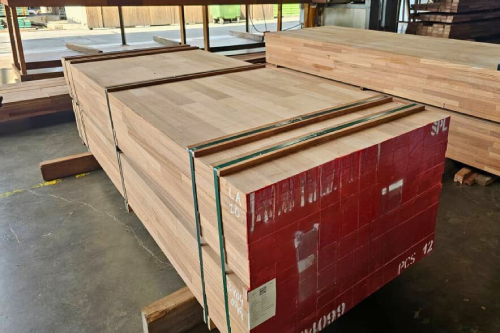
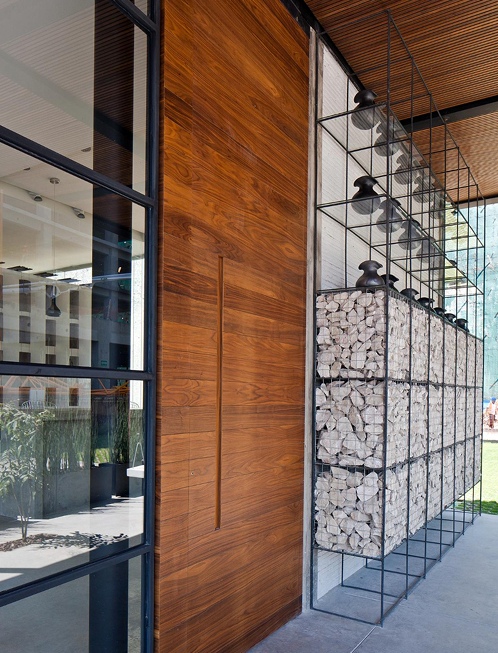
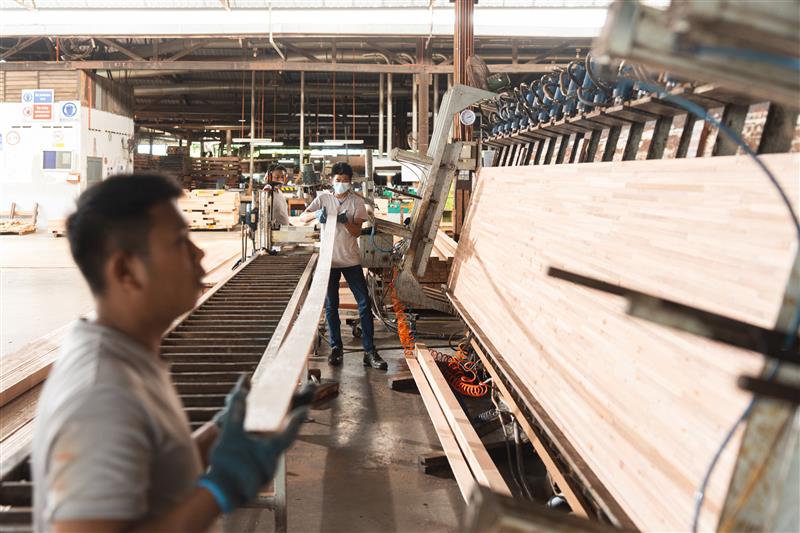
Crafted from solid timber through finger jointing and lamination, Freeboard is a wide-plank wood panel designed for versatility across applications — from professional contractors to DIY users.

Its solid wood construction allows easy cutting, trimming, and customization to suit various design requirements. Compared to conventional composite panels, Freeboard offers greater strength, durability, and a more natural wood performance.

Why Choose Freeboard?

CUSTOMIZED DIMENSIONS

Available in thicknesses of 25–45 mm, lengths of 1.8–3.0 m, and flexible widths from 60–600 mm. Custom sizes can be produced to meet specific project requirements.

FLEXIBLE PROCESSING

Easily cut, trimmed, and machined according to design needs, offering maximum flexibility for contractors and end users.

CONSISTENT QUALITY

Finger jointing and lamination ensure stable structure, uniform performance, and reduced defects compared to solid sawn timber.

SUSTAINABLE SOURCING

Produced from FSC® or PEFC-certified timber, supporting responsible forest management and sustainable supply chains.

PRODUCTION FLEXIBILITY

Ongoing investment in new machinery enables expansion to wider panels and enhanced production capabilities.

ENHANCED DURABILITY

More robust and long-lasting than conventional composite boards, with improved performance in real wood applications.

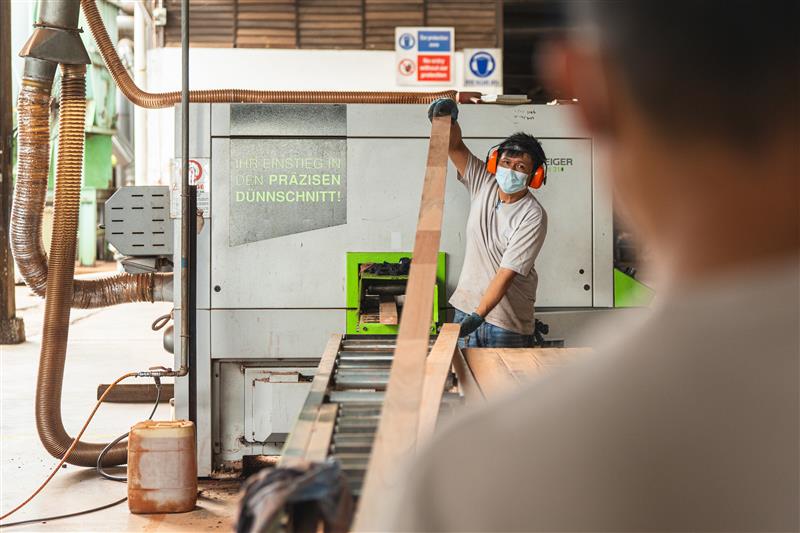
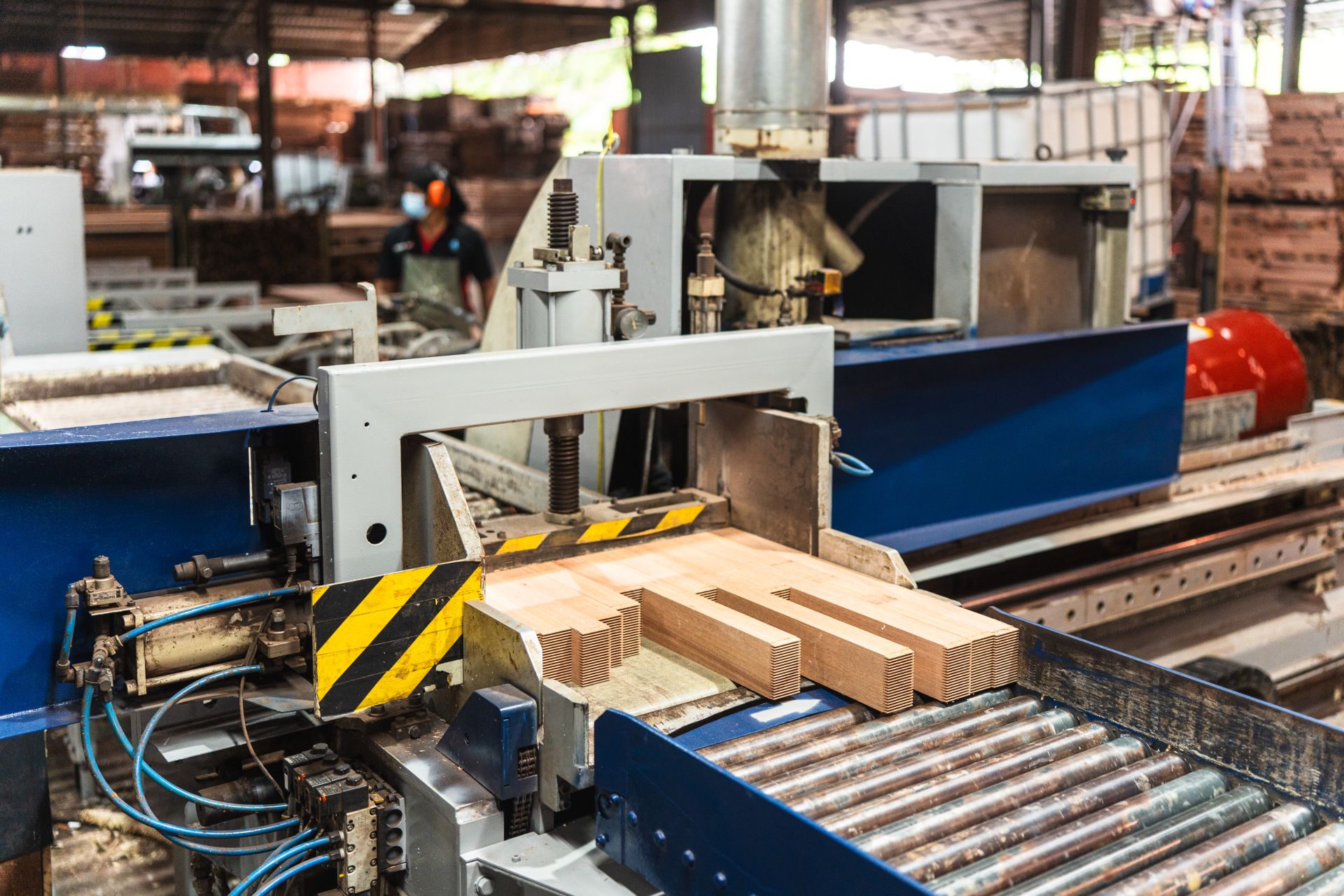
Advanced Lamination Machinery & Systems

WINTERSTEIGER Saws

High-precision saws that deliver clean, accurate cuts for uniform lamella thickness, ensuring optimal bonding surfaces and reduced material waste.

GRECON Finger Jointers

Standalone systems that join short wood pieces end-to-end with finger joints, creating longer, structurally sound lamella while maximising material yield.
High-Pressure Lamination

Applies controlled heat and pressure to bond multiple lamella into solid timber sections. This ensures superior adhesion, structural integrity, and long-term performance.
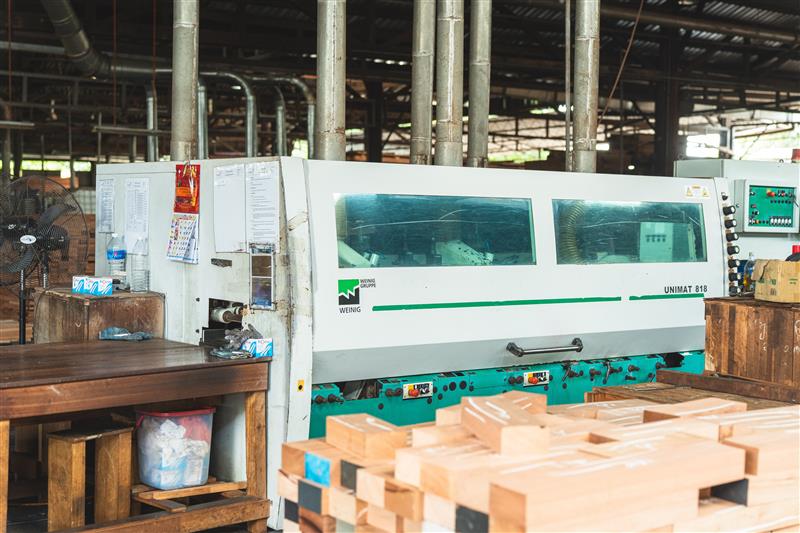
WEINIG Moulders

Dedicated profiling machines that shape timber to precise dimensions, enabling smooth assembly and custom profiles with tight tolerances.
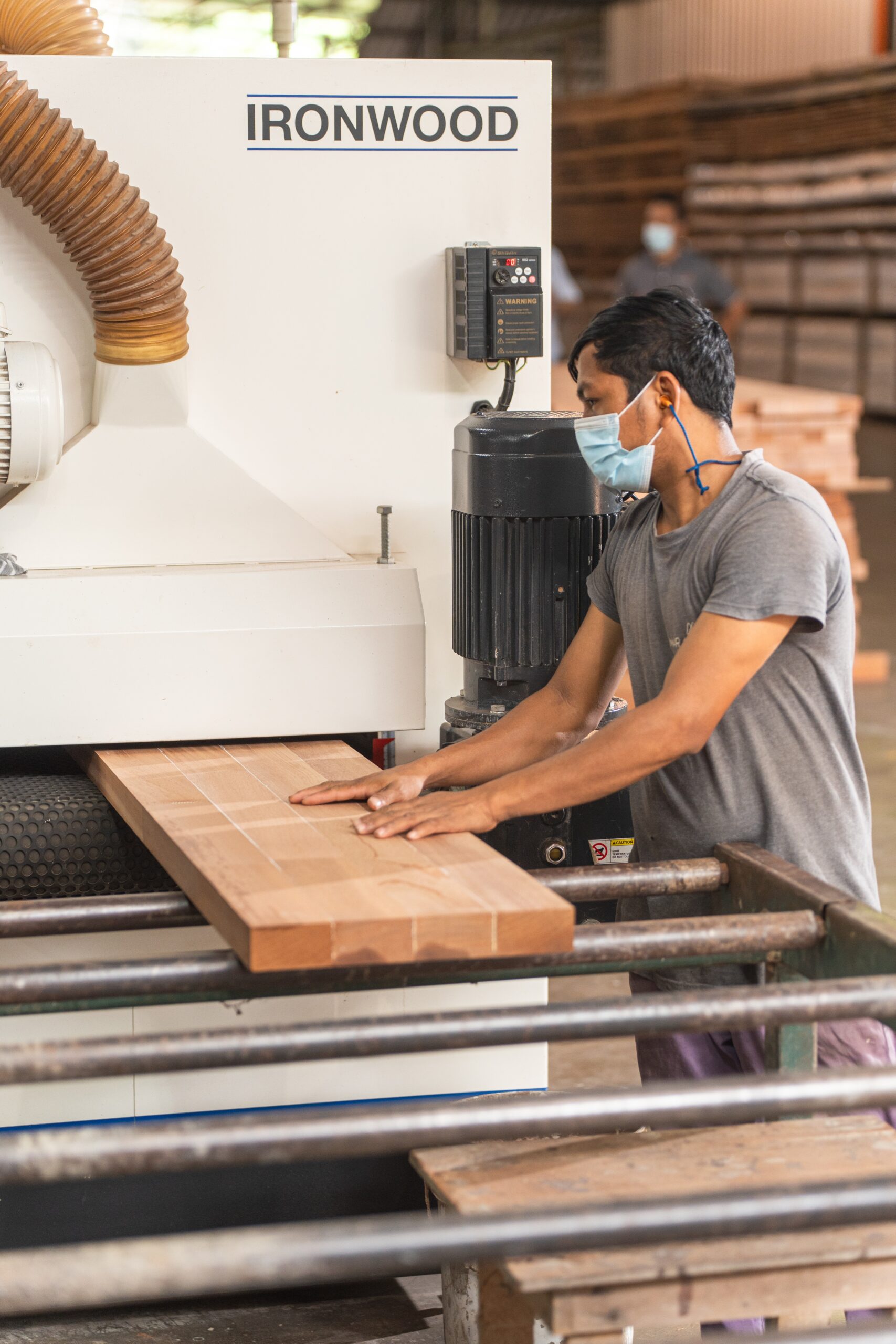
HOMAG Sanders

Advanced sanding units that deliver consistent, smooth surfaces on finished scantlings, readying them for coating, painting, or final use.
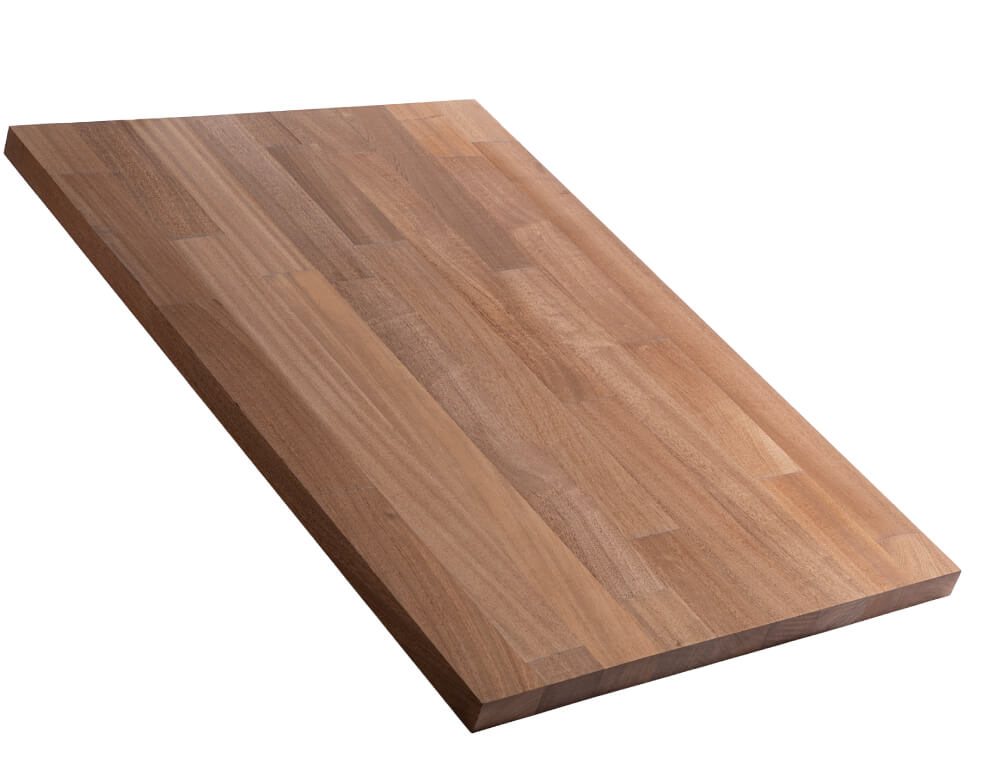
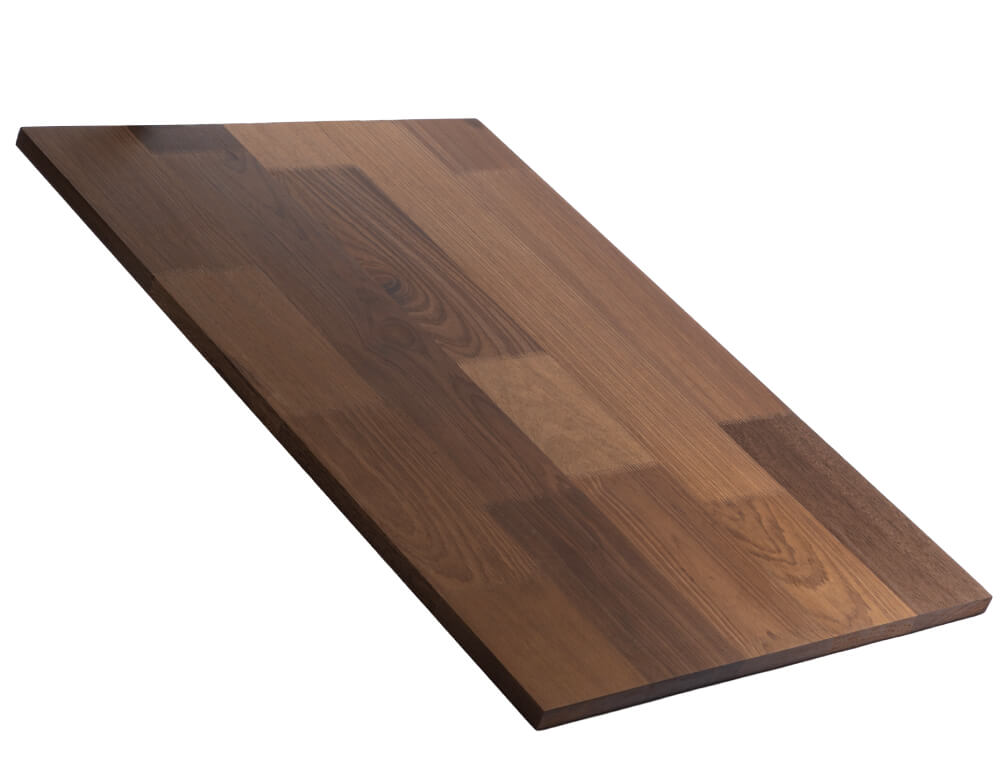
Timber Option for Freeboard

Explore a range of Freeboard configurations, offering flexibility in size, strength, and solid wood performance to suit diverse construction, joinery, and design applications.

Sapele (Entandrophragma cylindricum)

Sapele, sourced from the African region, is valued for its high density, strength, and dimensional stability. When used in Freeboard, it produces a sturdy, heavy, and durable panel suitable for demanding applications where structural performance is essential. Available in both FSC®-certified and EUDR-compliant supply.

Typical air-dry density: 620–670 kg/m³

Movement classification: Medium

Workability: Good, with attention required for interlocked grain

Durability

Sapele is classified as Durability Class 2–3 (EN 350), offering moderate to good natural resistance to decay. It is suitable for interior applications and protected exterior use when properly coated or maintained.

Performance

With an average air-dry density of approximately 620–670 kg/m³, Sapele provides good mechanical strength and stability. The timber machines well and produces smooth surfaces for finishing.

Pricing

Sapele is positioned as a premium joinery hardwood, valued for its consistent quality, attractive figure, and reliable machining performance.

Noawood (Thermally Modified Tropical Hardwood)

Noawood Freeboard is manufactured from thermally modified medium-density Malaysian hardwood, offering improved dimensional stability and resistance to moisture and fungal decay. The thermal modification process reduces hygroscopicity while lowering the material weight, resulting in a more stable yet lighter panel. It is available in selected Malaysian hardwood species with rich natural tones.

Typical density: 500–650 kg/m³ (after thermal modification)

Movement classification: Low to medium after modification

Workability: Slightly more brittle compared to air-dried or kiln-dried wood; requires careful selection of tooling and appropriate machining parameters to achieve optimal results.

Durability

Thermal modification improves the biological durability of tropical hardwood by reducing equilibrium moisture content and enhancing resistance to fungal decay, while also improving dimensional stability. For outdoor applications—particularly in tropical or high UV exposure regions—protective coating is recommended, as prolonged UV exposure may accelerate degradation of the glue bond.

Performance

Thermally modified timber demonstrates improved dimensional stability and reduced moisture-related movement compared with untreated wood.

Sustainability

Noawood is produced from tropical hardwood sourced from responsibly managed forests, including FSC®-certified supply in Malaysia.

Pricing

Thermally modified tropical hardwood offers a balanced performance solution, providing improved durability and stability compared with Sapele Freeboard at a cost level.

Need strong, customizable wood panels for your project?

Crafted from solid timber for strength and versatility. Reach out now to discuss pricing, custom solutions, and availability for your project.

FAQs

Frequent Ask Questions about Laminated Scantling

What is laminated scantling, and how is it different from solid timber?
Laminated scantling is an engineered wood product made by gluing together multiple layers (lamella) of solid timber. This process enhances stability, reduces the likelihood of warping or cracking, and allows for better quality control compared to solid timber, which may have natural imperfections or inconsistencies.
Maran Timber offers timber scantling in various timber species, including Meranti, Sapele, and Eucalyptus Red Grandis. Each species delivers unique grain patterns and performance characteristics.
Yes, laminated scantling can be used in sheltered exterior applications when made from durable timber that has been properly treated. However, full outdoor exposure may require additional treatment or protective coatings to ensure long-term performance.
Absolutely. Our laminated scantling can be manufactured in various dimensions, lengths, and cross-sectional profiles to meet specific architectural or design needs, including window and door frames, stair components, and more. Reach out today for a quote!
Yes, in many cases. By utilising smaller wood sections and optimising raw material usage, laminated scantling reduces waste and supports more efficient use of timber resources. Maran Timber also upholds certified sustainable forestry practices.