
Kiln Dried Lumber

Maran Timber operates an integrated sawmilling facility with a production capacity of approximately 1,000 m³ of sawn timber per month, processing logs for both internal manufacturing and external supply.

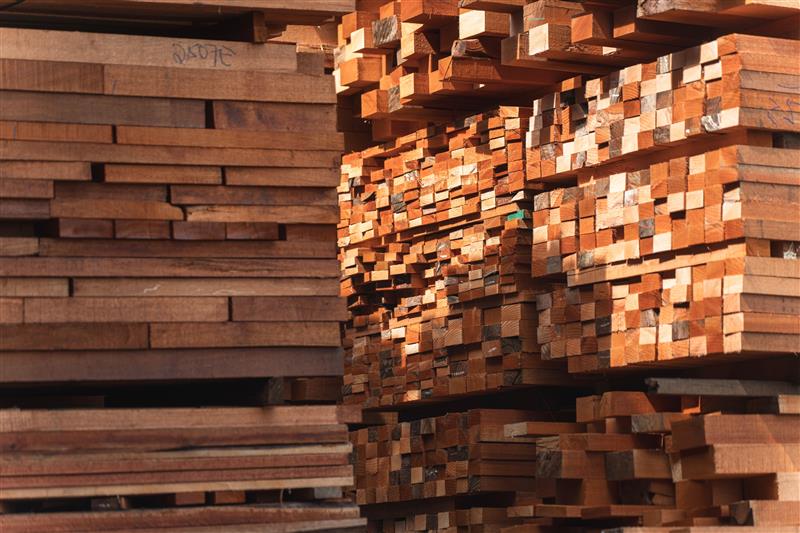
Our sawn timber is produced for export markets, construction, and project-based applications, and can be supplied as air-dried or kiln-dried, depending on species, dimensions, and customer requirements.

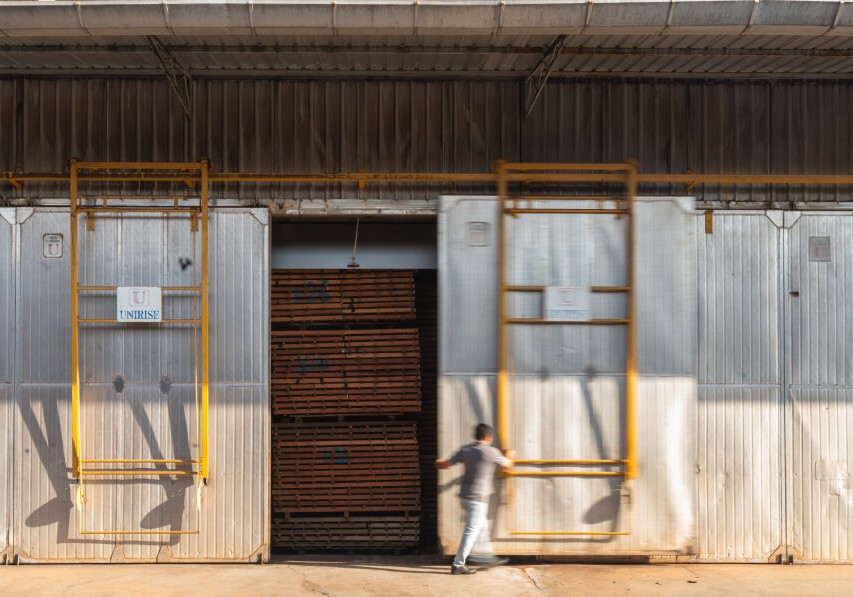
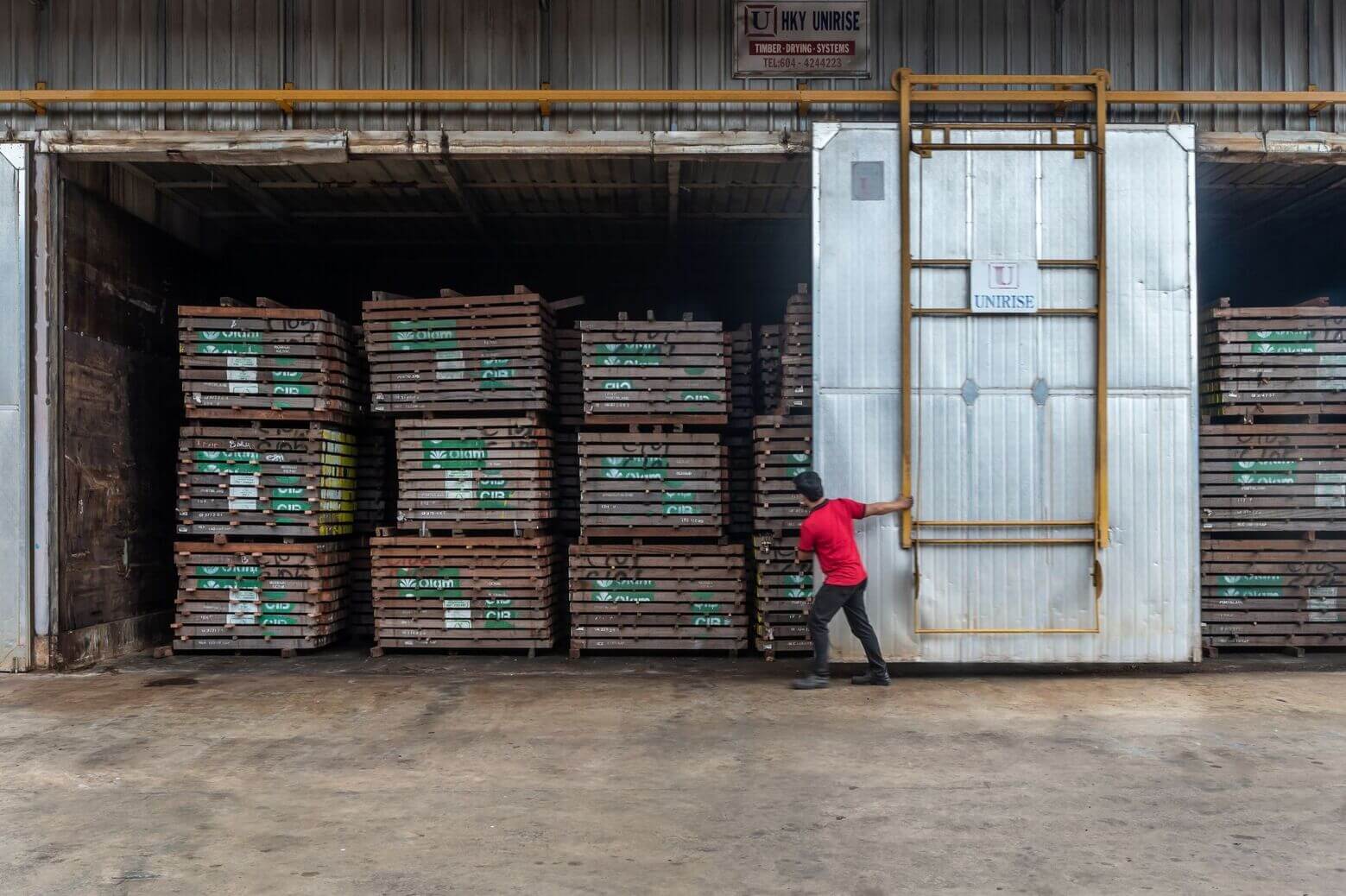
Supported by a kiln capacity of 20,000 m³, our controlled kiln-drying systems utilise advanced moisture monitoring and drying analytics to produce tropical hardwoods with consistent moisture conditioning and dimensional stability, suitable for demanding architectural and construction applications.

Air-Dried Lumber

Our air-dried lumber is sourced from responsibly managed natural forests under FSC® certification, managed by our sister company Asrama Raya Sdn. Bhd.. This forest concession is one of only two FSC®-certified natural tropical forests in Malaysia, reflecting a strong commitment to sustainable forest management.

Forest operations follow Reduced-Impact Logging (RIL) practices to minimise ecological disturbance and maintain long-term forest productivity. In addition, we actively promote the utilisation of lesser-known timber species (LKS) to diversify timber use and reduce harvesting pressure on traditionally dominant commercial species.

Performance Advantages of Kiln-Dried Lumber

Moisture Content Uniformity

Our kiln-drying process follows controlled drying schedules to achieve uniform moisture distribution throughout the timber cross-section of 12-15%, depending on application. Continuous monitoring ensures consistent moisture content and reliable material performance during machining, installation, and service life.

Dimensional Stability

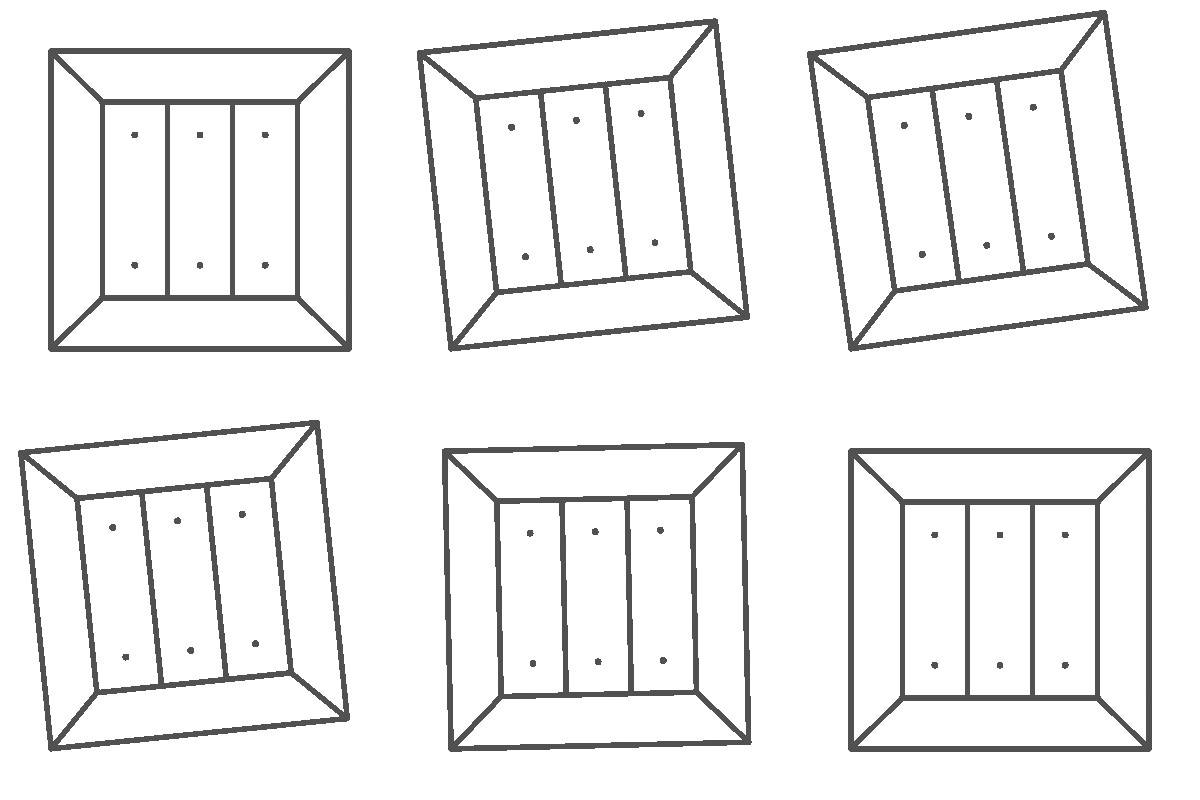
Carefully regulated drying regimes relieve internal stresses generated during moisture removal. This significantly reduces the risk of distortion, cupping, checking, and surface cracking both during processing and after installation.

Mechanical Performance

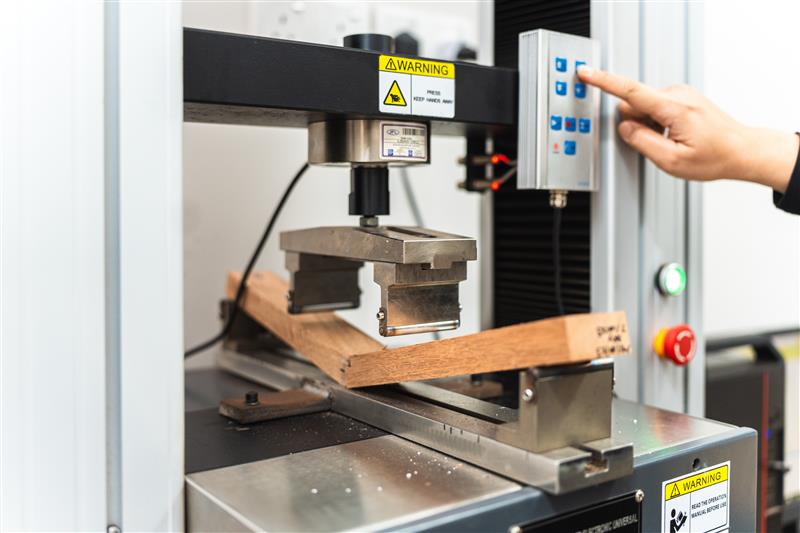
Timber conditioned to the appropriate moisture content demonstrates improved dimensional stability and predictable mechanical behaviour, making it suitable for architectural joinery, cladding systems, and structural applications.

Coating & Adhesion Compatibility

Stable moisture conditions improve the interaction between wood fibres and adhesives or coatings, supporting stronger bonding performance and more uniform penetration of paints, oils, and finishing systems.

Biological Risk Reduction

Elevated kiln temperatures eliminate insects, larvae, and fungal spores present in green timber, producing cleaner material with reduced biological risks during storage, transportation, and installation.

Responsible Sourcing

Sourced from responsibly managed forests, supporting sustainable forestry practices and traceable timber supply.

Storage Stability

Properly kiln-dried timber maintains its dimensional stability and surface quality during storage and logistics, reducing the risk of mould growth, deformation, and material degradation prior to use.

Drying Process Control

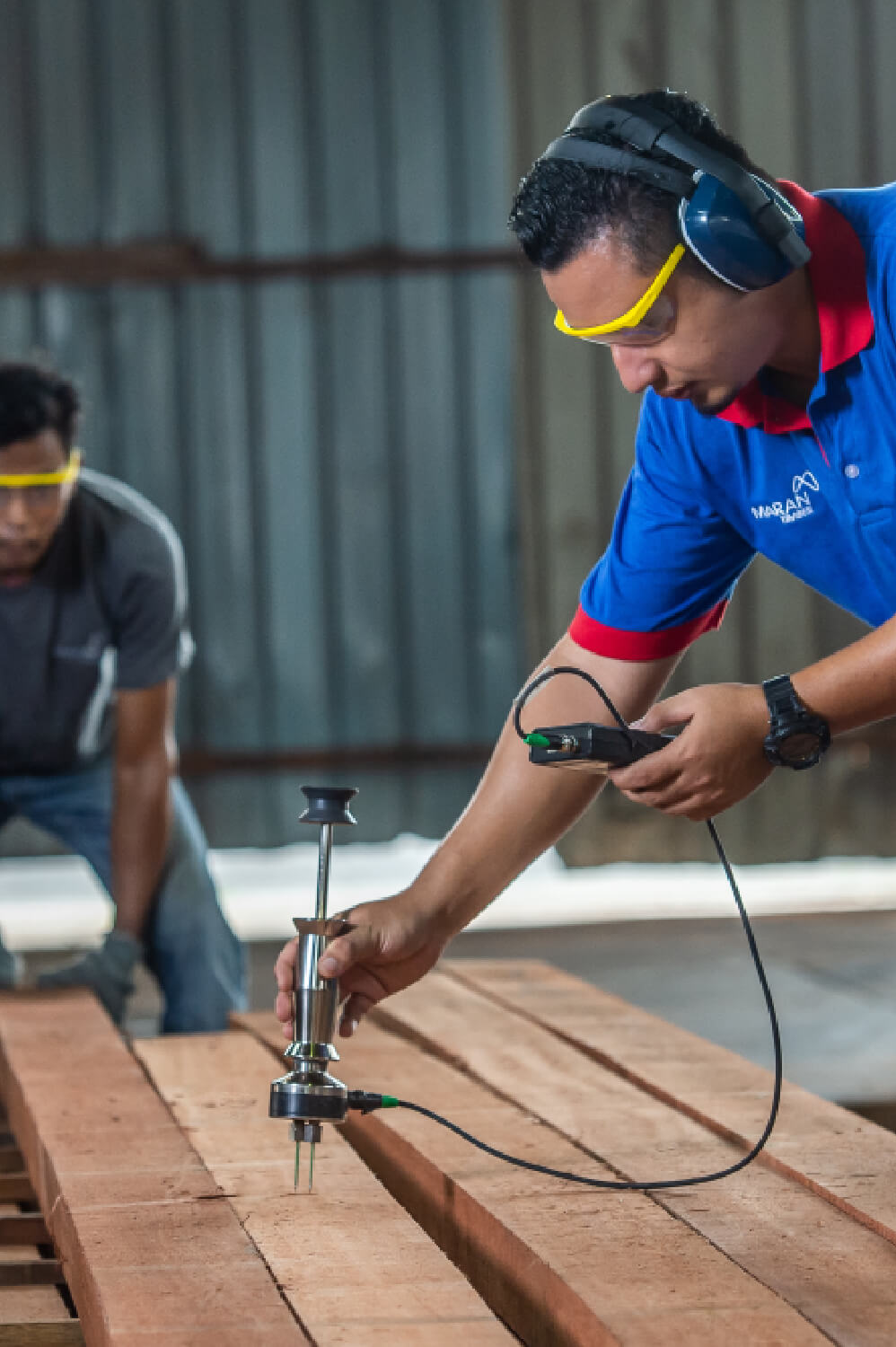
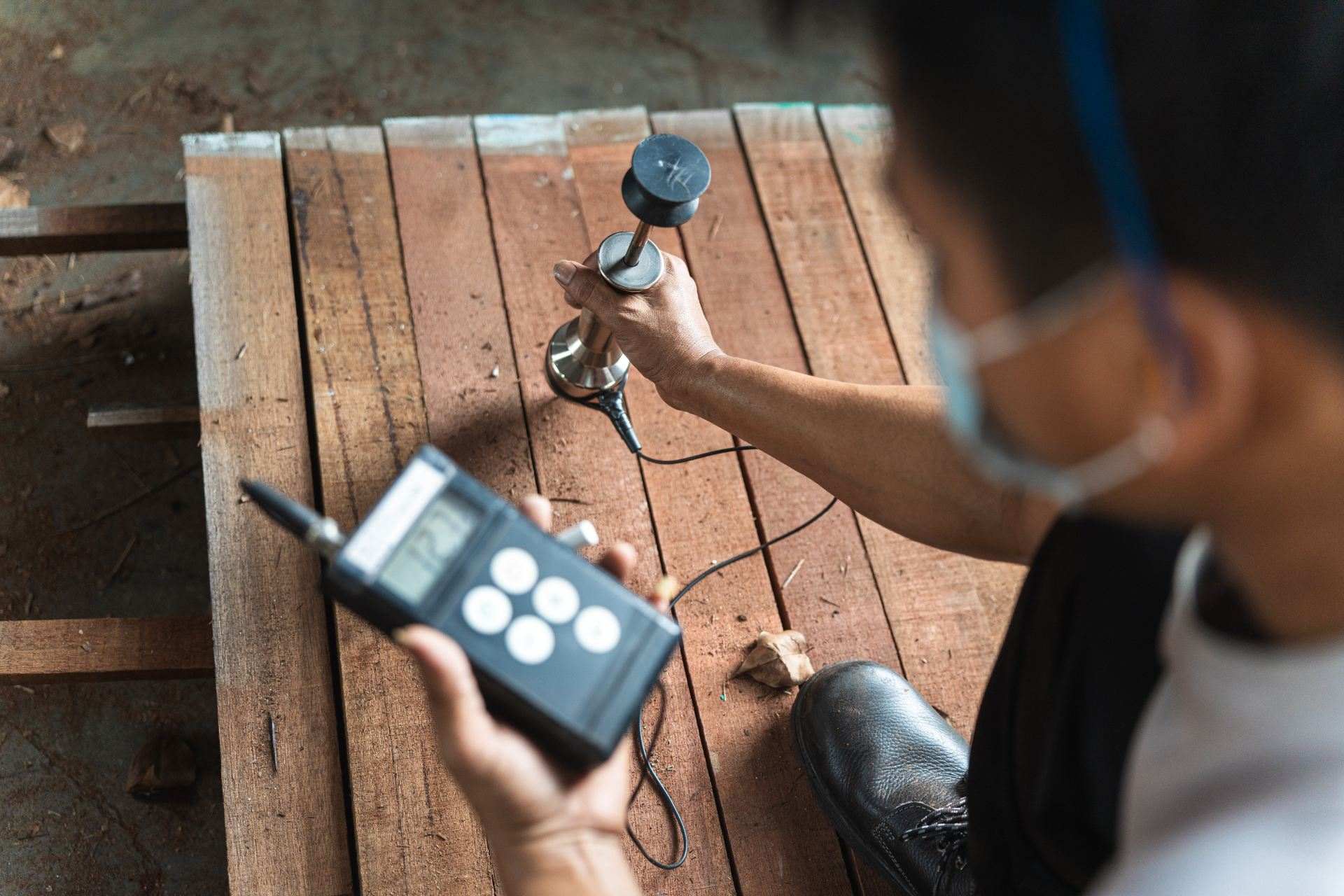
Maran Timber utilises advanced moisture monitoring system together with kiln drying charts to continuously track drying performance. This data-driven approach allows our technical team to analyse drying conditions, refine schedules, and ensure consistent quality across every kiln charge.

Kiln Drying Process

Kiln drying is a controlled conditioning process that removes excess moisture from timber to achieve the target moisture content required for dimensional stability, durability, and reliable material performance.

By regulating temperature, humidity, and airflow within drying chambers, timber is progressively dried under carefully designed schedules to minimise internal stresses and maintain structural integrity.

Wood Selection

Maran Timber also supplies sawn timber of Malaysian hardwood species, such as Keruing (Dipterocarpus spp.), Red Balau (Shorea spp.), and other tropical hardwood species sourced from our FSC® certification-certified forests, with availability varying according to seasonal harvesting volumes, log characteristics, and dimensions.

With our integrated sawmilling operations, we are able to process logs into customised sawn sizes tailored to specific applications. Availability of species, dimensions, and volumes may vary, and customers are encouraged to contact our team to discuss project requirements and current stock conditions.

Keruing (Dipterocarpus spp.)

Keruing, sourced from our own FSC®-certified forest,  is a dense Southeast Asian hardwood known for its strength, durability, and abrasion resistance. It is widely used for heavy-duty flooring, truck decking, construction components, and structural applications where high load capacity is required.

Typical air-dry density: 700–900 kg/m³

Movement classification: Medium to high

Workability: Moderate due to density and resin content

Durability

Keruing generally falls within Durability Class 2–3 (EN 350) and demonstrates good resistance to decay in moderately exposed conditions.

Performance

With an average air-dry density of approximately 700–900 kg/m³, Keruing provides high mechanical strength and good wear resistance. The timber can be moderately difficult to machine due to its density and resin content, but when properly processed it produces durable components suitable for heavy-use environments.

Pricing

Keruing is considered a value-performance hardwood, offering high strength and durability at a competitive cost compared to many dense tropical hardwood species.

Red Balau (Shorea spp.)

Red Balau is a heavy tropical hardwood widely used in outdoor construction, decking, and structural applications due to its strength, durability, and resistance to wear.

Typical air-dry density: 800–1000 kg/m³

Movement classification: Medium

Workability: Moderate to difficult due to high density

Durability

Red Balau is typically classified as Durability Class 1–2 (EN 350), providing excellent natural resistance to decay and making it suitable for exterior applications and ground-contact exposure when properly installed.

Performance

With an average air-dry density of approximately 800–1000 kg/m³, Red Balau is a high-strength hardwood capable of withstanding heavy loads and demanding outdoor conditions. Its density and hardness provide good resistance to abrasion and weathering.

Pricing
Mid-range. Offers premium appearance at a more accessible price than mahogany.

Manufacturing Excellence

Proven Experience Since 1990

With over three decades of kiln-drying expertise, Maran Timber has developed extensive experience in tropical hardwood processing, ensuring consistent product quality and controlled drying operations.

Advanced Moisture Monitoring

Our kiln operations are supported by precision moisture monitoring systems from Lignomat, which continuously measure and record the moisture behaviour of timber throughout the drying cycle, providing reliable data for monitoring and analysis.
Optimised Drying Control

By integrating moisture measurement technology with kiln drying charts, our technical team can evaluate drying conditions and refine drying schedules to achieve consistent moisture conditioning across every kiln charge.

Wood Science Expertise

Our kiln operations are supported by wood science professionals, including PhD-level specialists in wood technology, who provide on-site training and technical guidance to ensure our team consistently operates kiln-drying processes according to best industry practices.

Sourcing kiln-dried hardwoods in bulk?

Built with high-quality kiln-dried lumber. Reach out now to discuss pricing and custom solutions for your project.

FAQs

Frequent Ask Questions about Kiln-Dried Lumber

What is the difference between kiln-dried and air-dried lumber?

Kiln drying removes moisture under controlled temperature, humidity, and airflow conditions, allowing timber to reach a precise target moisture content. In contrast, air drying relies on ambient climate and typically results in higher and more variable moisture levels.

The choice depends on the required moisture content, dimensional stability, and intended application. Kiln-dried lumber is conditioned under controlled temperature and humidity to achieve a specified moisture content (typically 12–15%), making it suitable for precision joinery, interior construction, and applications where stable machining and finishing performance are critical. Air-dried lumber typically retains a higher moisture content and gradually adjusts to the equilibrium moisture content (EMC) of the surrounding environment, making it suitable for applications where timber will continue to acclimatise before final processing or installation.

Equilibrium Moisture Content (EMC) is the moisture level at which wood neither gains nor loses moisture because it is balanced with the relative humidity and temperature of the surrounding air. When timber reaches EMC, it becomes dimensionally stable under those environmental conditions. Understanding the typical EMC of the project location is particularly important for outdoor applications, as timber will naturally adjust its moisture content to match the local climate over time.

When kiln-dried lumber is installed outdoors, the wood will gradually absorb moisture from the surrounding environment until it reaches the Equilibrium Moisture Content (EMC) of the local climate. As the moisture content increases, the timber may undergo dimensional changes such as swelling, slight movement, or surface checking, particularly during the acclimatisation period.

However, kiln drying remains beneficial because it reduces internal stresses and improves moisture uniformity within the wood, resulting in more predictable movement and improved machining and installation performance. For outdoor use, selecting naturally durable species or properly treated timber, together with appropriate detailing and protective coatings, helps ensure long-term durability and performance.

Our kiln-dried lumber is typically conditioned to a moisture content of 12–15%, which is suitable for semi-finished products such as engineered panels and laminated scantlings. Moisture content can also be adjusted according to customer specifications or specific application requirements, ensuring the timber is properly conditioned for subsequent processing and end use.